
Cultural Notes from Australia & New Zealand
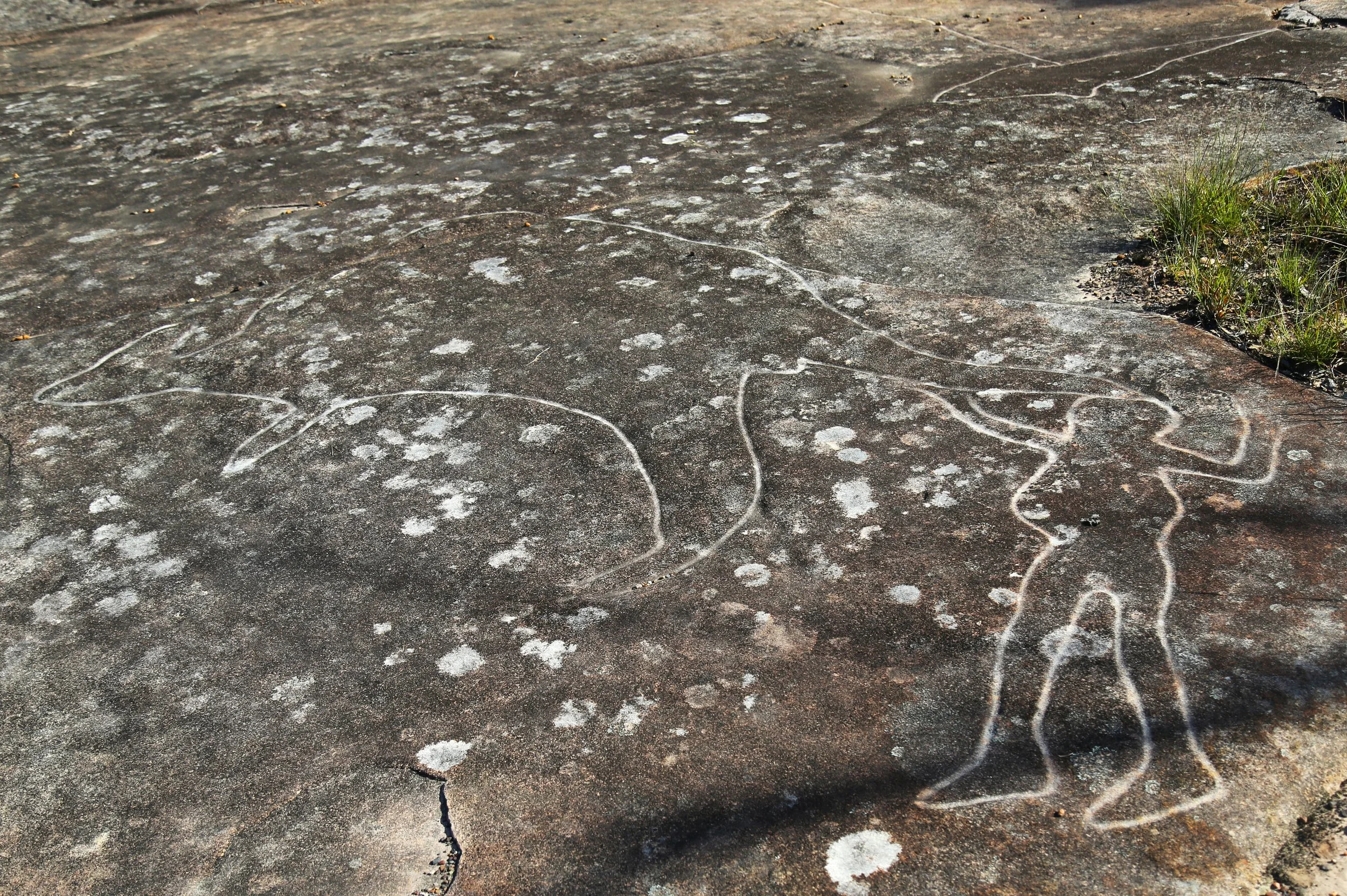
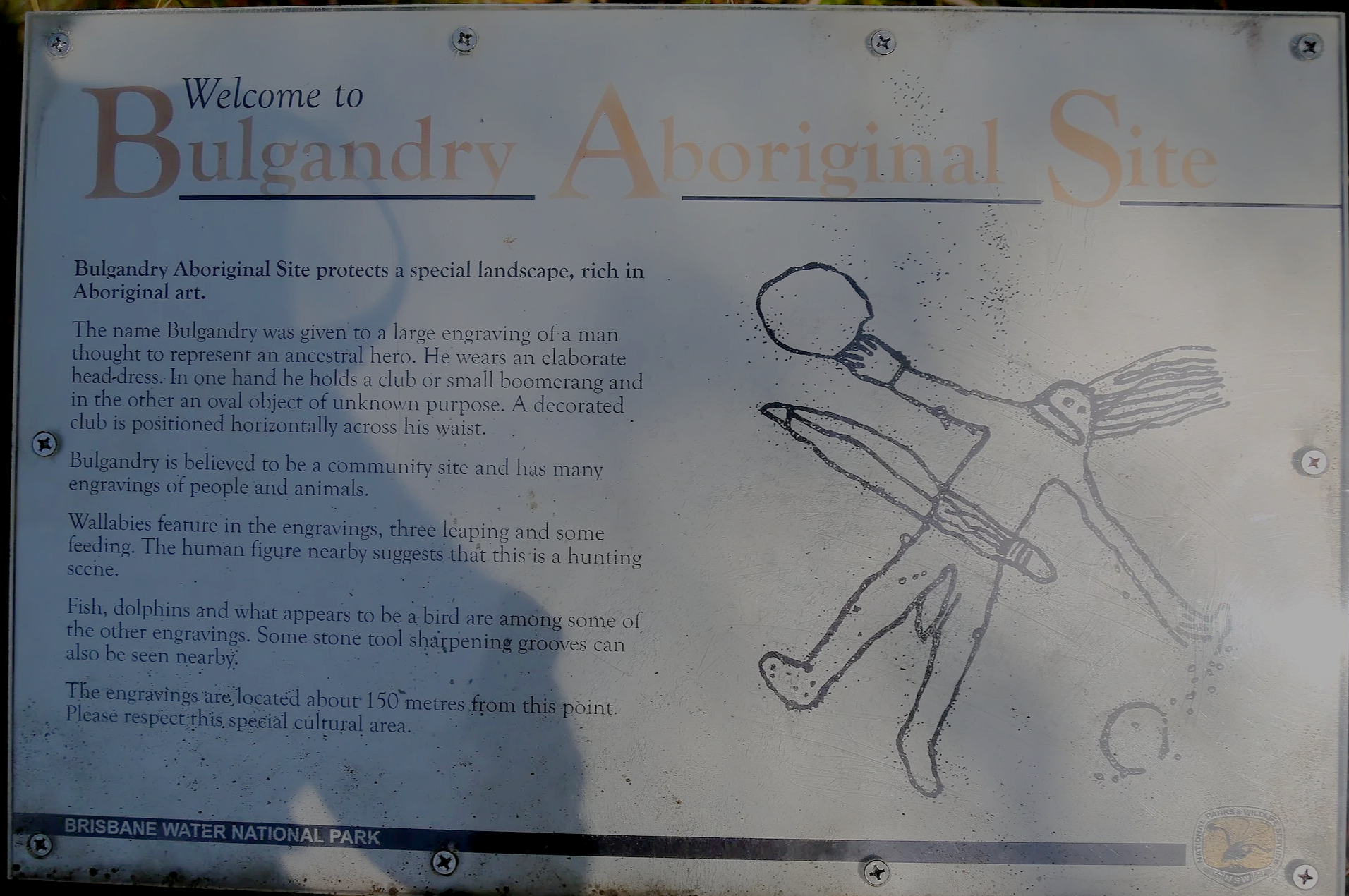
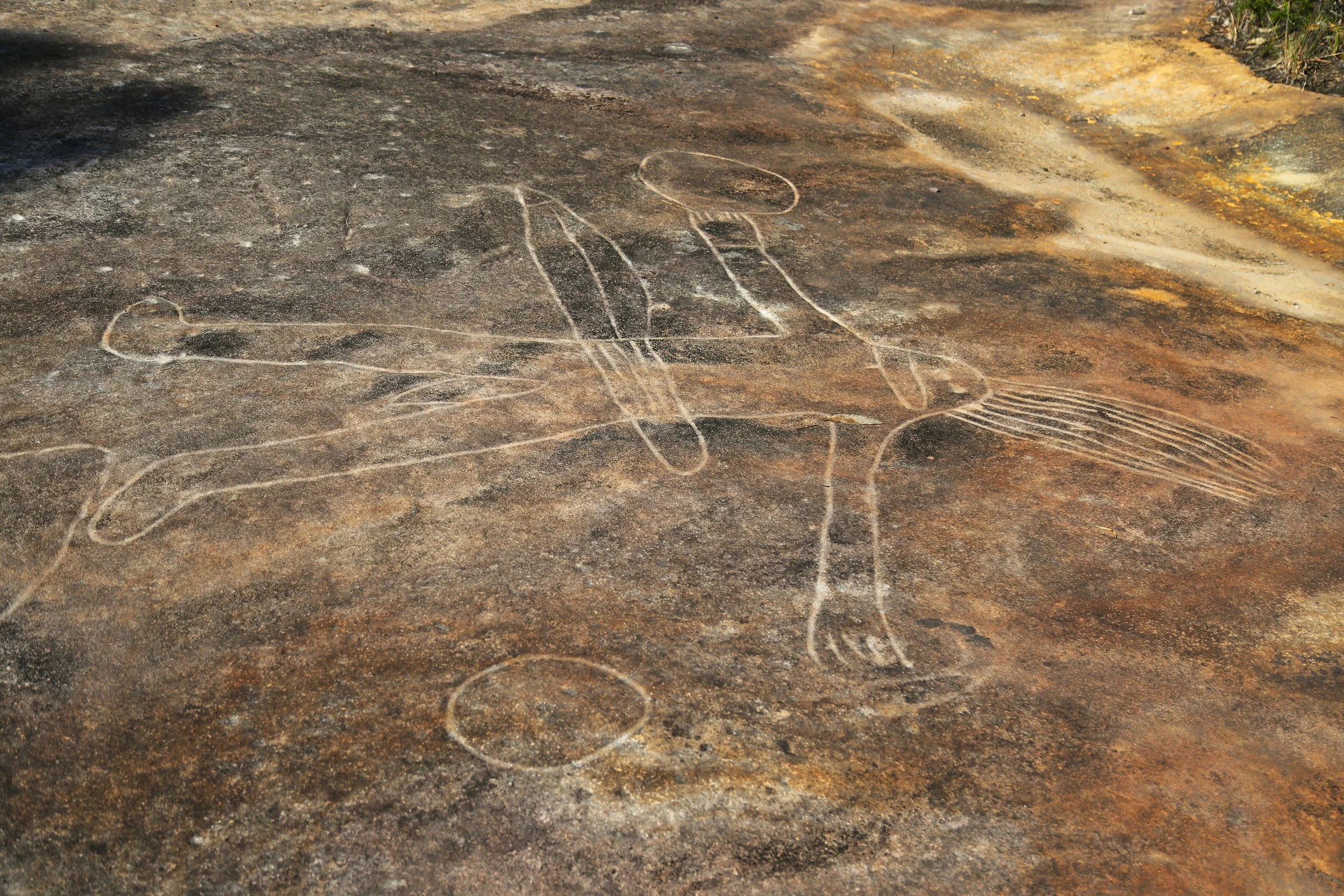
One of the most meaningful parts of traveling through Australia and New Zealand is learning about the deep cultural roots of these countries. You’ll notice this in small but powerful ways throughout your journey.
Why Do So Many Places Have Two Names?
Across Australia, many places are listed with two names—one in English and one in an Indigenous language.
For tens of thousands of years before European settlement, Australia was home to Aboriginal and Torres Strait Islander peoples, each with their own languages, cultures, and names for the land. When the British colonized Australia in 1788, many of those original names were replaced with English ones.
A major milestone came in 1967, when a national referendum recognized Aboriginal people as part of the Australian population. By the 1990s, the reconciliation movement led to the use of dual naming on signs, maps, and monuments to honor traditional cultures and histories.
Today, you’ll often see places listed like:
· Uluru / Ayers Rock
· Kata Tjuta / The Olgas
· K’gari / Fraser Island
It may look like a small detail on a sign, but it represents thousands of years of culture and a continued effort toward recognition and respect.
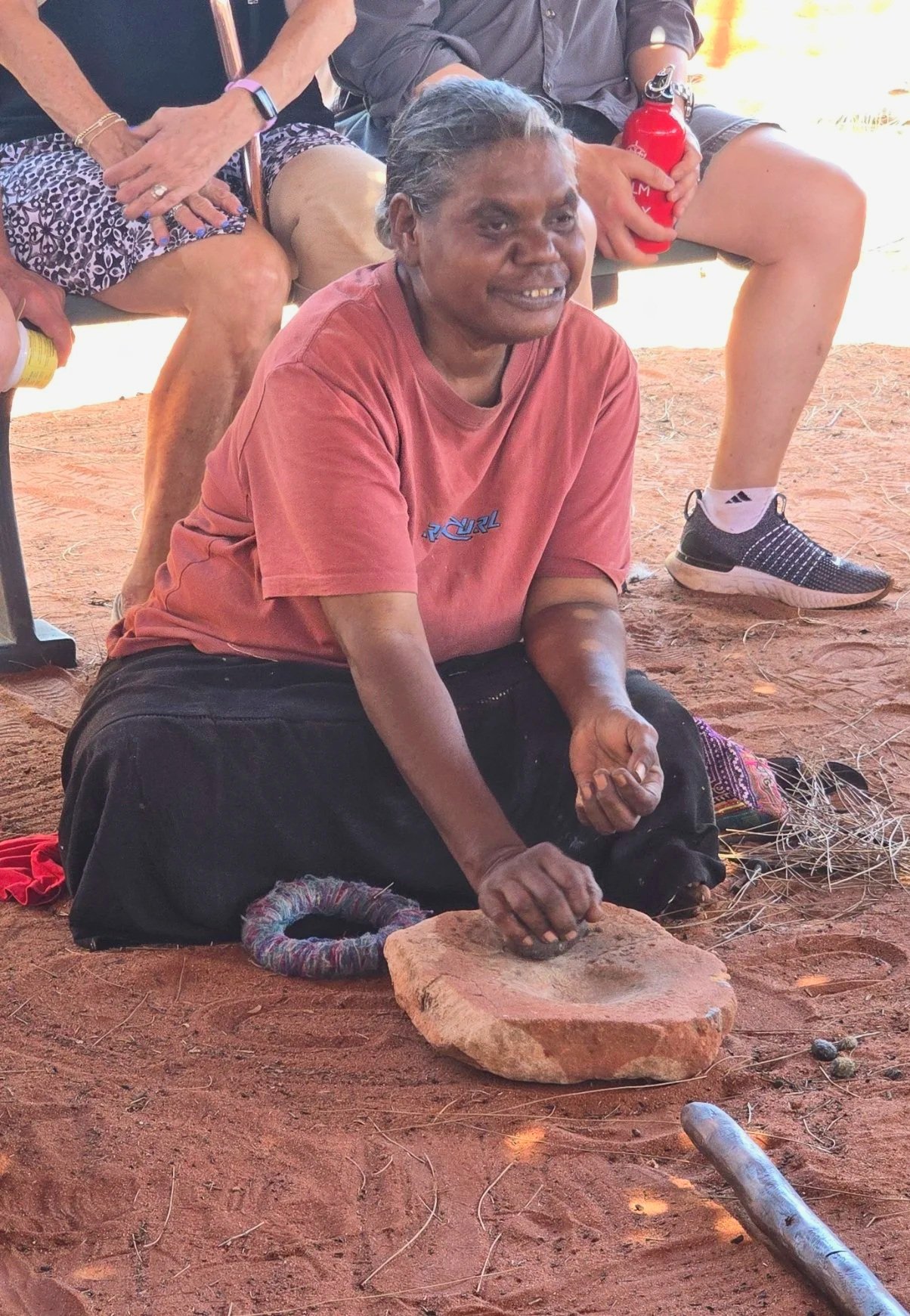
“The Thank You”
and Acknowledgement of
Country
Another meaningful practice you’ll encounter in Australia is something often referred to as “The Thank You.”
At events, tours, meetings, and even in some public spaces, it’s common to hear an Acknowledgement of Country. This is a short statement that recognizes the Traditional Owners of the land and pays respect to their elders—past, present, and emerging.
It’s a simple but powerful gesture of gratitude and respect, acknowledging that these lands have been cared for by Indigenous peoples for tens of thousands of years.
A Similar Tradition in New Zealand
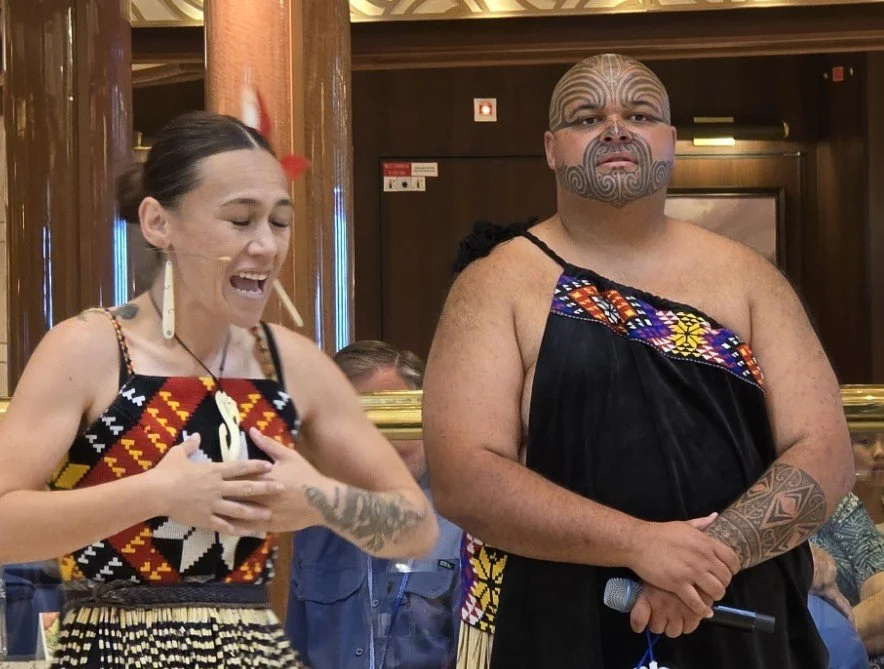
New Zealand has a similar approach to honoring its Indigenous culture. The Māori people are an essential part of the country’s identity, language, and traditions.
You’ll often see English and Māori place names used together, and it’s common to hear the Māori language, Te Reo Māori, in greetings, announcements, and ceremonies.
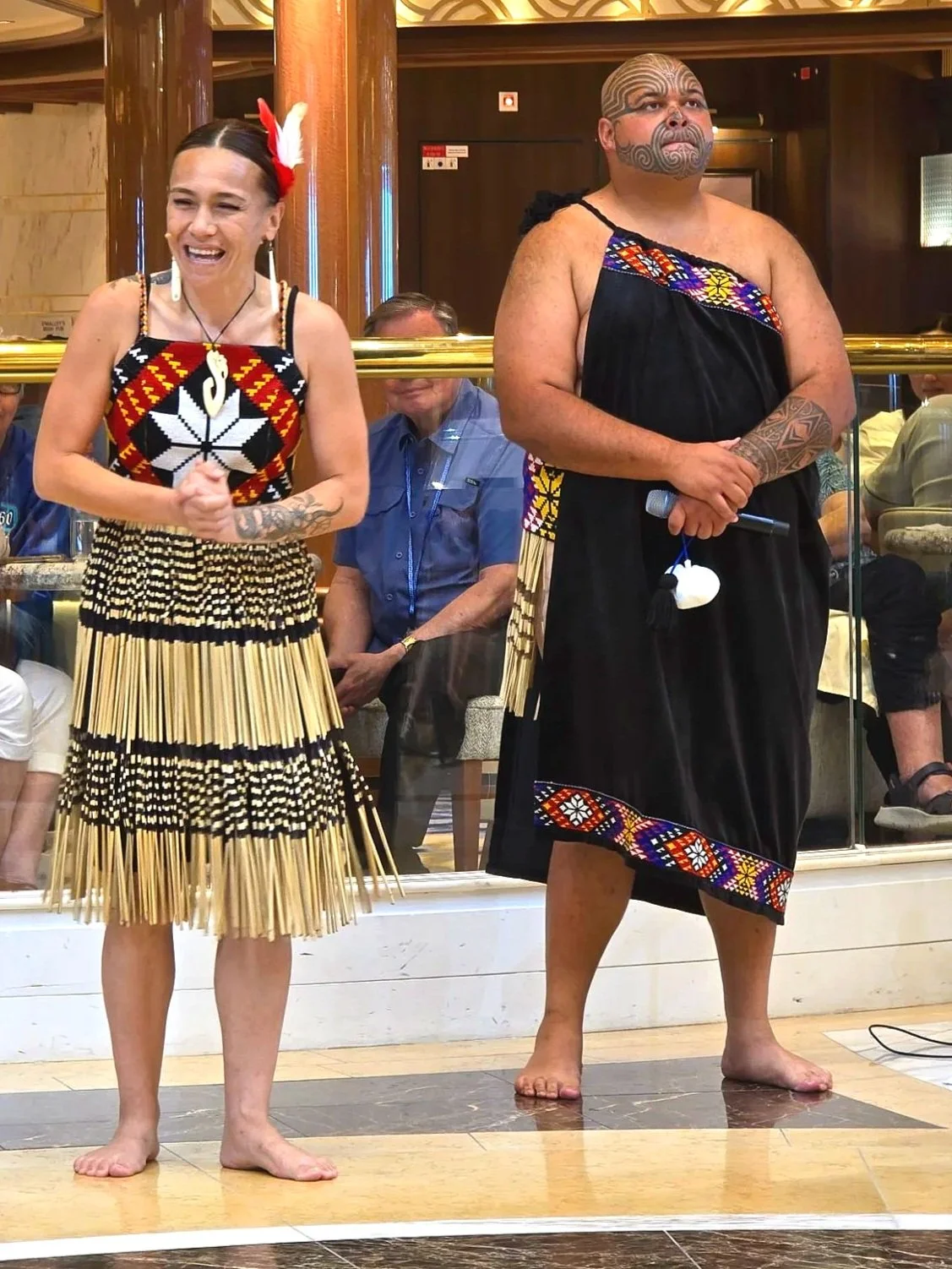
At many events and tours, there may be a formal welcome, sometimes including songs, prayers, or a pōwhiri—a traditional Māori welcoming ceremony. Like Australia’s Acknowledgement of Country, these practices show respect for the land and its original custodians.
Together, these traditions are a reminder that travel in this part of the world isn’t just about the scenery—it’s also about the rich cultures and histories that have shaped these lands for thousands of years.
Time Zones with a Twist (Australia)
Australia is nearly the size of the continental United States, so it makes sense that it has multiple time zones. But here’s the interesting part: not all of them differ by a full hour.
Australia has three main time zones:
Western Standard Time (AWST) – Western Australia
Central Standard Time (ACST) – Northern Territory and South Australia
Eastern Standard Time (AEST) – Queensland, New South Wales, Victoria, and Tasmania
Instead of a full-hour difference, Central time is 30 minutes behind Eastern time, and Western time is 1½ hours behind Central time.
So, if it’s 12:00 noon in Sydney, it’s:
11:30 a.m. in Adelaide
10:30 a.m. in Perth
And to make things even more interesting, not all states observe daylight saving time, which can change the differences depending on the season.